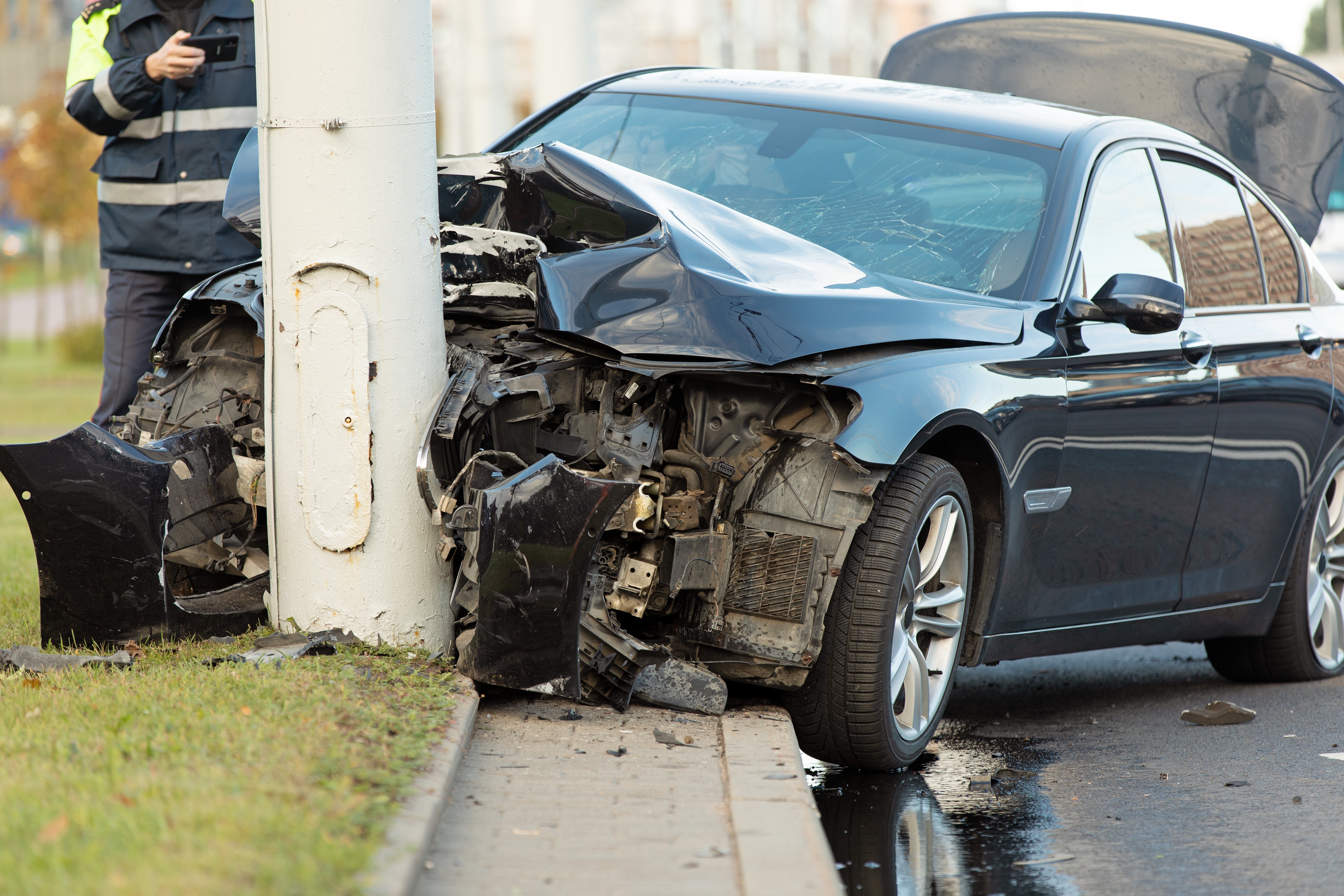
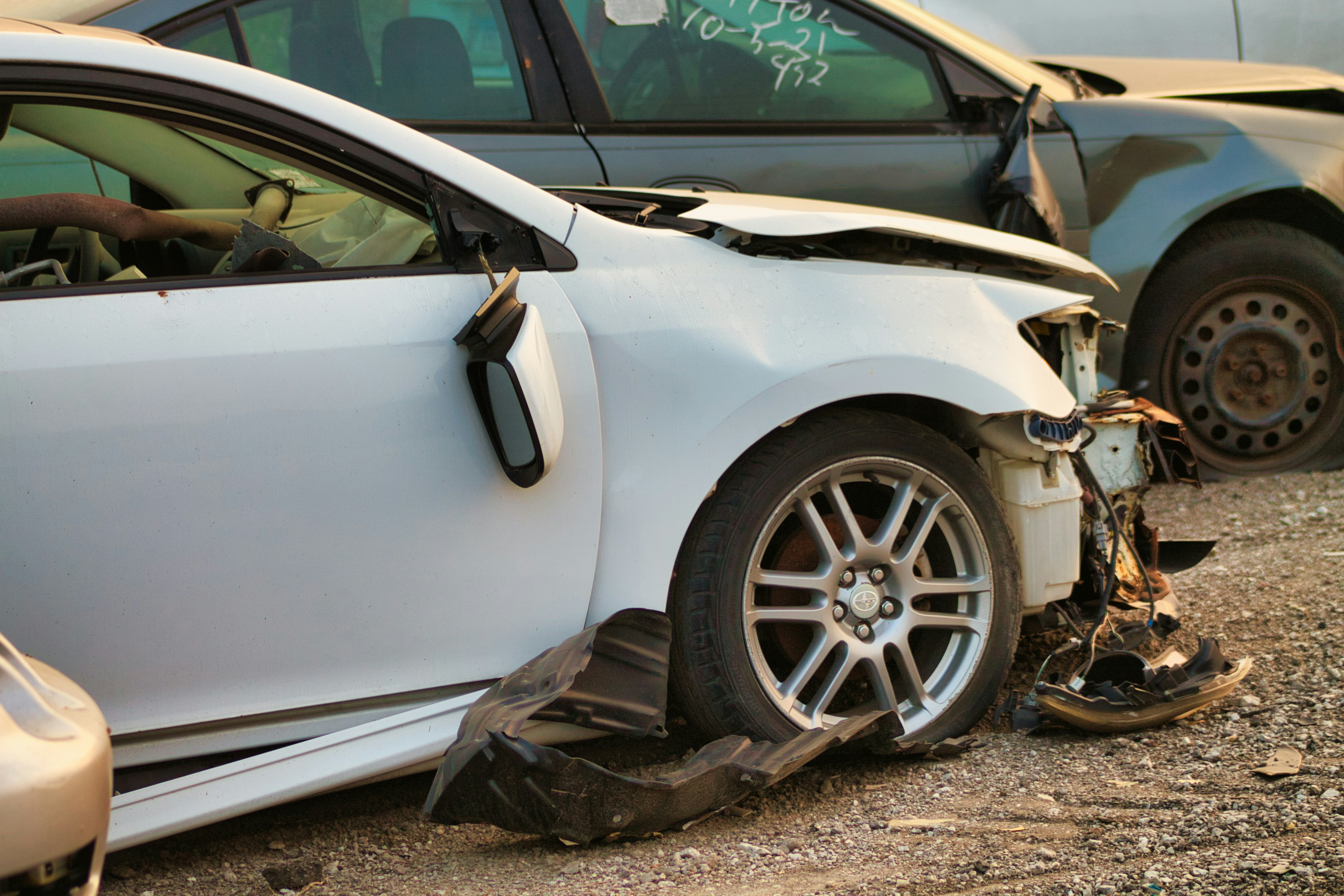
Navigating San Antonio’s streets can sometimes feel like trying to outmaneuver a maze. It’s no secret that San Antonio holds a notorious reputation for having some of the most perilous roads across Texas. This guide is crafted from local insights and traffic data, aiming to arm you with actionable advice to sidestep car accidents amidst these bustling paths.
San Antonio Road Safety and Accident Statistics
San Antonio consistently ranks among Texas cities with the highest accident rates. Understanding the reality of local traffic helps reinforce the need for extreme caution:
| Statistic | 2025 San Antonio Data | Source |
| Fatalities (YTD 2025) | Over 141 deaths from 133+ fatal crashes reported (as of Nov. 2025). | Local News/TxDOT |
| Total Crashes (2023) | Over 42,000 total motor vehicle crashes reported in Bexar County. | TxDOT Data |
| Daily Accidents | Translates to approximately 115 accidents per day within the county. | TxDOT Data |
| High-Risk Road | Culebra Road ranks among the most dangerous corridors, with high rates of serious injury and pedestrian crashes. | TxDOT/Local Reports |
Common Causes of Crashes
Most serious crashes in San Antonio stem from preventable factors:
- Distracted Driving: A primary cause, including phone use and in-car distractions.
- Speeding: Exceeding limits on high-speed loops like Loop 1604 and I-410.
- Impaired Driving (DUI/DWI): A significant factor, especially in late-night and weekend crashes.
- Failure to Yield: Running red lights and ignoring signs, common at complex interchanges.
Dangerous Times and High-Risk Roads in San Antonio
Knowing when and where crashes happen allows you to adjust your route or driving behavior for maximum safety.
Peak Traffic Times
San Antonio’s roads become particularly busy at certain times, significantly increasing the risk of rear-end and lane-change collisions:
| Time Frame | Risk Factor |
| Evening Commute | 4:00 PM – 7:00 PM (Highest overall volume of accidents). |
| Morning Rush | 7:00 AM – 9:00 AM (High rate of distracted driving crashes near school zones and downtown). |
| Late Night/Weekends | 11:00 PM – 3:00 AM (Highest fatality rate, linked to impaired driving). |
High Accident Rate Roads and Intersections
Extreme caution is required on these corridors, which consistently rank as San Antonio's most hazardous based on recent data:
- Interstate 35 (I-35): Known for severe congestion and frequent rear-end collisions, particularly near downtown and Walzem Road.
- Loop 1604 & I-10 Interchange: Consistently one of the highest-volume crash sites due to high-speed merging and complex design.
- I-410 Loop: A high concentration of serious and fatal crashes occur along the full loop, often involving high speed and heavy traffic.
- Culebra Road: Ranked as one of the deadliest stretches in the city due to speeding, high pedestrian traffic, and poor visibility.
- South Side Intersections: Areas around SW Military Drive, S Zarzamora St, and S New Braunfels Ave are flagged for frequent pedestrian and severe crashes.
Tips for Safe Driving and Accident Prevention
Practicing defensive driving is your best defense against the risks posed by other drivers in San Antonio.
Defensive Driving Techniques
- Maintain Safe Following Distance: The high volume of speeders and distracted drivers means you need extra braking room. Allow a minimum of three seconds between your vehicle and the one in front of you.
- Check Blind Spots Thoroughly: On multi-lane highways like Loop 1604, always execute a quick head-check and use your mirrors before changing lanes.
- Be Vigilant at Night: Nearly 49% of crashes occur after dark. Watch closely for signs of impaired or fatigued drivers, especially on weekends.
- Signal Clearly: Always use turn signals well in advance to communicate your intentions on busy loops and city streets.
- Avoid Distractions: Refrain from using your phone or engaging in any activity that takes your eyes or hands off the road.
Adherence to Traffic Laws
Strictly follow all traffic laws to maintain safety and predictability on the roads:
- Obey Speed Limits: Always adjust your speed to match traffic flow safely, especially in construction zones.
- Stop at Red Lights/Yield: Use extra caution at major intersections and never try to "beat" a yellow light.
- Maintain Vehicle Safety: Regularly check your brakes, tires, lights, and signals.
Successfully navigating San Antonio's unique driving challenges requires constant vigilance and preparation. By utilizing defensive driving techniques and staying keenly aware of high-risk areas like I-35 and Loop 1604, you actively reduce your risk of a collision.
However, even the most cautious drivers can be involved in an accident caused by the negligence of others. If you or a loved one are injured on a San Antonio road, your safety and legal protection remain the top priority.
If you are involved in an accident, contact our San Antonio attorneys immediately for a free consultation and legal assistance.
Frequently Asked Questions
How can I avoid car accidents on San Antonio’s busy roads?
Stay alert, practice defensive driving, obey traffic laws, and maintain a safe following distance from other vehicles.
Are there specific times of day when accidents are more likely to occur in San Antonio?
The highest risk times are during rush hours (4-7 pm) and late at night on weekends (after 11 pm).
Should I use my phone while driving in San Antonio?
It is safest to refrain from using your phone while driving and pull over if it’s necessary to make a call or send a message.
How can I ensure my vehicle is ready for the busy roads of San Antonio?
Regularly check your brakes, tires, lights, and signals for proper functionality before hitting the road.