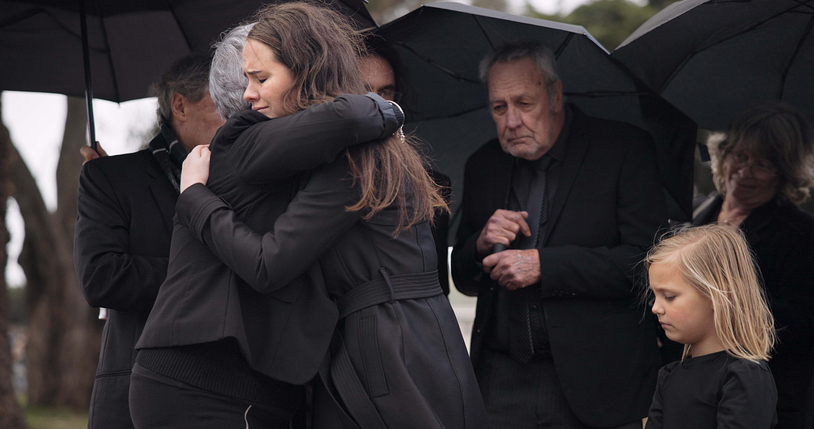

Losing a loved one is devastating under any circumstances, but when their death is caused by someone else’s negligence or wrongful act, the grief is often compounded by anger, confusion, and unanswered questions. In Texas, the law provides a way for surviving family members to seek justice through a wrongful death claim.
If your family is facing this situation, understanding what to expect can help you make informed decisions during an incredibly difficult time.
Who Can File a Wrongful Death Claim in Texas
Under Texas law, certain family members have the legal right to bring a wrongful death lawsuit. These include:
- The surviving spouse
- Children (biological or legally adopted)
- Parents of the deceased
If these family members do not file a claim within a certain time frame, the executor or personal representative of the deceased’s estate may be able to bring the claim on behalf of the estate.
Common Causes of Wrongful Death
Wrongful death claims can arise from a variety of circumstances, including:
- Motor vehicle accidents caused by negligent or reckless drivers
- Workplace accidents resulting from unsafe conditions
- Defective products or dangerous consumer goods
- Medical malpractice, such as surgical errors or misdiagnosis
- Acts of gross negligence or misconduct
Each case is unique, and the cause of death will play a key role in determining liability and potential compensation.
Types of Compensation Available
A wrongful death claim seeks to compensate the surviving family for both economic and non-economic losses. Damages can include:
- Lost income and benefits the deceased would have provided
- Medical expenses related to the final injury or illness
- Funeral and burial costs
- Loss of companionship, love, and guidance
- Emotional pain and suffering experienced by surviving family members
In cases involving extreme negligence or intentional harm, punitive damages may also be awarded to punish the wrongdoer and deter similar behavior in the future.
The Statute of Limitations in Texas
Texas law generally allows two years from the date of death to file a wrongful death claim. While that may sound like a long time, gathering evidence, investigating the incident, and preparing the case can take months. Acting promptly helps preserve important evidence and ensures your attorney has the time needed to build a strong claim.
What to Expect During the Legal Process
While every wrongful death case is different, you can typically expect the following steps:
- Case Evaluation: Your attorney will review the facts, determine if you have a viable claim, and identify all potentially liable parties.
- Investigation: This may involve collecting medical records, accident reports, witness statements, and expert opinions.
- Filing the Lawsuit: Your attorney will file the necessary legal documents and begin the formal process.
- Negotiation: Many cases are resolved through settlement discussions with the defendant’s insurance company.
- Trial: If a fair settlement isn’t reached, your case may proceed to trial, where a judge or jury will decide.
Why Legal Representation Matters
Wrongful death claims can be legally complex and emotionally draining. Insurance companies often work to minimize payouts, and navigating the legal system without experienced help can put you at a disadvantage.
At KRW Lawyers, we understand the sensitive nature of wrongful death cases. Our team works with compassion and determination to seek justice for grieving families, handling the legal burdens so you can focus on healing.
San Antonio Wrongful Death Attorneys
If you’ve lost a loved one due to negligence, you don’t have to go through this alone. KRW Lawyers offers free consultations to help you understand your rights and explore your legal options.
Contact KRW Lawyers today at (855) 770-4045 — let us fight for justice and the compensation your family deserves.