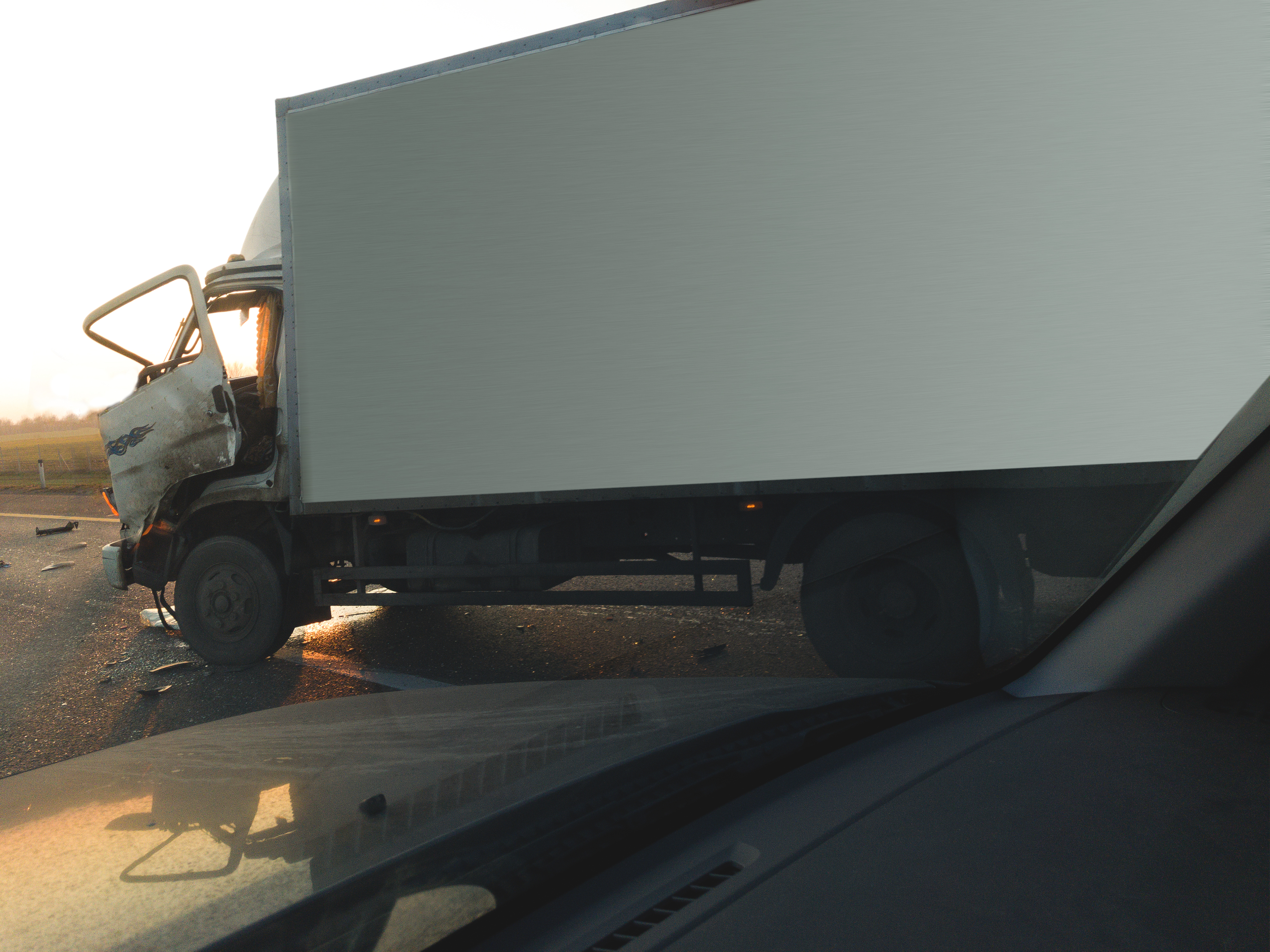

The deadline to file a truck crash claim isn’t always the clock that matters most in the first days after a collision. Digital records can be overwritten, surveillance footage deleted, and a damaged tractor or trailer repaired before anyone has had a fair chance to inspect it. A police report and an insurance claim don’t automatically protect every piece of proof. Knowing which evidence is at risk, and how quickly, can determine what’s available when fault is disputed.
That matters in San Antonio, where commercial trucks share crowded roads with commuters, work vehicles, and families. At KRW Lawyers, we prepare cases for trial from the beginning and give clients direct access to a San Antonio truck accident lawyer who can assess what evidence may be at risk. Medical care and safety come first, but early preservation can make a meaningful difference when the facts of a crash are disputed.
Why Evidence Disappears After a Truck Accident
Much of the most useful evidence is controlled by someone other than the injured person. The trucking company, driver, insurer, repair facility, tow yard, technology vendor, cargo company, or a public agency may each hold records or physical items connected to the collision. Those materials follow very different retention practices.
An electronic logging device, or ELD, records a driver’s duty status for hours of service compliance. Under FMCSA regulations, motor carriers must retain ELD records and supporting documents for six months. However, that six-month window doesn’t apply uniformly to every source of truck data, video, or vehicle information. Some evidence disappears much sooner through routine operations: a dash camera overwrites old footage, a nearby business cycles through surveillance recordings, a truck gets repaired and returned to service. Once a party reasonably anticipates a dispute, it may have a duty to preserve relevant evidence. Waiting to raise the issue creates unnecessary risk.
What You Can Preserve Right Now
Start with what’s already within your control. Don’t put yourself in danger to take photos, return to an unsafe roadway, or delay emergency treatment. If you can document the scene safely, save original files rather than relying on images sent by text or posted online. Back up originals without editing them, and note when and where each image or video was created and who took it.
Items to save as soon as you can:
- Scene images: Photographs and videos of vehicle positions, damage, debris, skid marks, road conditions, traffic signals, and visible injuries.
- Witness details: Names, phone numbers, email addresses, and notes about what each witness saw or heard.
- Damaged property: Clothing, helmets, car seats, personal items, and photographs of your vehicle before repairs or disposal.
- Medical documents: Discharge papers, prescriptions, imaging records, medical bills, appointment summaries, and notes about symptoms.
- Crash paperwork: Police report information, tow records, repair estimates, insurance letters, claim numbers, and communications about the collision.
- Work loss records: Pay stubs, missed work notices, tax documents, and communications about time away from work.
What a Truck Accident Investigation Actually Requires
A truck accident investigation requires a targeted approach because different systems answer different questions. An ELD may show hours of service information but won’t capture speed, braking, or steering. Other electronic systems, company records, and physical evidence fill those gaps.
Electronic Data
An engine control module monitors engine functions and may hold data on speed, throttle position, braking, and fault codes. An event data recorder is a separate system that may capture information tied to a triggering event, but its contents and retention vary by vehicle.
GPS data, telematics data, dispatch messages, mobile device records, and dash camera footage can help establish the truck’s route, movement, communications, or driver activity. Each system needs to be identified specifically. A broad request for “black box data” may miss sources that need preservation.
Driver & Company Records
A driver qualification file may contain records relating to hiring, licensing, training, medical certification, and driving history. Hours of service records, dispatch instructions, trip documents, post-crash testing results, and communications with the carrier may also be relevant, depending on what happened before the crash.
Maintenance and inspection records can show whether the tractor or trailer had reported mechanical issues, scheduled service, inspection findings, or prior repair work. Cargo and loading documents matter when load securement, weight, or trailer handling may have contributed to the collision.
Physical & Third-Party Evidence
The tractor, trailer, tires, brakes, lights, coupling components, and cargo are evidence in their own right. Repairing, selling, salvaging, or dismantling a vehicle can eliminate physical proof permanently. That is why an attorney may need to seek an inspection before those changes occur.
Third parties can hold important evidence too. Nearby surveillance systems, 911 recordings, dispatch records, tow yard files, repair invoices, and data held by technology providers aren’t controlled by the carrier and can have short retention windows. That’s one reason early action matters after a serious San Antonio truck accident.
How a Preservation Letter Works in Texas
A preservation letter is a written demand that identifies the crash, names the relevant parties when known, and asks recipients not to alter, overwrite, repair, sell, discard, or delete specific evidence. The appropriate recipients depend on the case and may include the motor carrier, driver, insurer, vehicle owner, maintenance provider, broker, cargo company, technology vendor, tow operator, or a custodian of video evidence.
Sending a letter doesn’t automatically provide access to records or permit someone to inspect a truck on their own terms. Access may require cooperation, formal discovery, an agreed inspection, or court involvement. The goal is to put relevant parties on notice before evidence is routinely deleted or changed. A carefully targeted request is generally more useful than a vague demand for every document connected to a company.
What Missing Evidence Can Mean
Spoliation of evidence refers to the loss, destruction, or failure to preserve evidence that should have been kept for a dispute. In Texas, the consequences depend on whether a duty to preserve existed, the party’s intent, and the prejudice caused by the missing evidence. The Texas Supreme Court explained in Brookshire Bros. v. Aldridge that a severe jury instruction isn’t automatic whenever evidence is missing. Courts examine the circumstances, and intentional destruction or extreme prejudice carry different consequences than accidental loss. Documenting preservation efforts early matters precisely because that distinction can be contested.
When to Get Legal Help with Evidence Preservation After a Truck Accident
Time is most critical when a truck may be repaired, totaled, sold, moved, or returned to service. Serious injuries, a fatal crash, conflicting accounts of fault, suspected fatigue or distraction, missing video, or notice that a carrier plans to alter the vehicle all call for quick attention. The same is true when several businesses may have played a role in the trip, maintenance, loading, or dispatching.
An attorney-led investigation can include sending targeted preservation demands, identifying potentially responsible entities, seeking inspection of the tractor and trailer, and pursuing records through formal discovery. These steps are fact-specific and should be based on what’s known about the crash, the vehicles involved, and the entities that may control relevant information. It’s easy to assume the carrier or insurer has already saved everything that matters. However, the evidence that explains a collision is often scattered across separate systems, businesses, and physical locations.
Contact Our Firm for Assistance
Preserving your own materials is valuable, but it doesn’t replace timely efforts to protect carrier-controlled data, company records, and physical vehicle evidence. If a San Antonio truck crash involved serious injuries, disputed responsibility, or evidence that may be at risk, our San Antonio truck accident attorneys at KRW Lawyers can provide a case-specific review.
Call us at (855) 770-4045 or schedule a free consultation to learn how our San Antonio truck accident team can help.