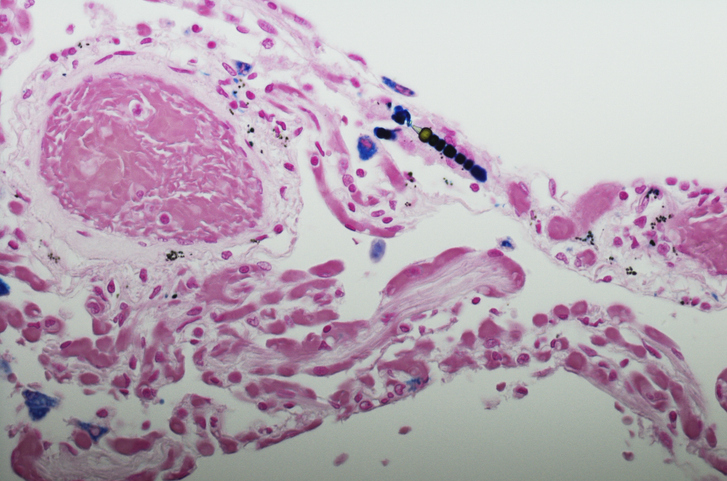
A mesothelioma diagnosis is one of the most difficult moments a person and their family can face. The disease is serious, the medical path ahead is demanding, and the questions come fast — about treatment, about prognosis, about how this happened, and about what you can do now.
This page is designed to answer the most important questions mesothelioma patients and their families have — and to help you understand that you have more options and more support available than you may realize.
What Is Mesothelioma?
Mesothelioma is a rare and aggressive cancer that develops in the mesothelium — the thin protective lining that surrounds the lungs, abdomen, and heart. There are three primary types:
Pleural mesothelioma affects the lining of the lungs and is the most common form, accounting for roughly 75% of cases. Symptoms often include chest pain, shortness of breath, persistent cough, and unexplained weight loss.
Peritoneal mesothelioma affects the lining of the abdomen and may cause abdominal pain, swelling, nausea, and digestive problems.
Pericardial mesothelioma affects the lining of the heart and is the rarest form. Symptoms can include chest pain, irregular heartbeat, and fatigue.
Because mesothelioma symptoms develop gradually and resemble other conditions, the disease is often diagnosed at an advanced stage. The latency period — the time between asbestos exposure and diagnosis — is typically 20 to 50 years, which is why many patients are diagnosed in their 60s, 70s, or later.
What Causes Mesothelioma?
Mesothelioma is caused almost exclusively by exposure to asbestos. Asbestos is a naturally occurring mineral that was widely used in construction, shipbuilding, manufacturing, automotive work, and military applications throughout most of the 20th century. When asbestos-containing materials are disturbed, they release microscopic fibers that can be inhaled or ingested. Those fibers become permanently lodged in the body's tissue, causing inflammation and cellular damage that can — decades later — lead to mesothelioma.
Many patients were exposed at work, often without knowing that the materials they handled contained asbestos. Common high-risk occupations include:
- Construction workers, insulators, and pipefitters
- Shipyard workers and Navy veterans
- Electricians and HVAC technicians
- Automotive mechanics
- Factory and mill workers
- Firefighters
Secondhand exposure is also well documented. Family members of workers who brought asbestos fibers home on their clothing — particularly spouses who laundered work clothes — have developed mesothelioma as a result.
How Is Mesothelioma Diagnosed?
Diagnosing mesothelioma typically involves a combination of:
- Imaging tests — X-rays, CT scans, and PET scans to identify abnormalities in the chest or abdomen
- Blood tests — certain biomarkers can indicate the presence of mesothelioma, though they are not definitive
- Biopsy — a tissue sample is required to confirm the diagnosis and determine the cell type, which affects both treatment options and prognosis
Because mesothelioma is rare, it is important to be evaluated by a physician or cancer center with specific experience in diagnosing and treating it. Misdiagnosis is not uncommon in the early stages.
What Are Your Legal Rights After a Mesothelioma Diagnosis?
This is where many patients and families don't know what they don't know — and it matters enormously.
Mesothelioma is not an accident. The companies that manufactured, sold, and specified asbestos-containing products were aware of the health risks for decades before the public was informed. Courts have consistently held these companies liable for the harm they caused, and the legal system provides clear pathways for compensation.
If you or a loved one has been diagnosed with mesothelioma, you may have the right to:
- File a personal injury lawsuit against the companies responsible for your asbestos exposure
- File claims with asbestos bankruptcy trust funds — over $30 billion has been set aside specifically to compensate victims of companies that have since filed for bankruptcy
- Pursue a wrongful death claim if a loved one has passed from mesothelioma
- Access VA benefits if the exposure occurred during military service
These pathways are not mutually exclusive — in many cases, patients pursue multiple avenues simultaneously, which significantly increases total compensation.
Compensation can cover medical expenses, lost wages, pain and suffering, future care costs, and in cases of egregious corporate conduct, punitive damages.
How Does the Legal Process Work — and What Does It Cost?
The most common reason mesothelioma patients delay seeking legal help is the assumption that it will be expensive or burdensome. Neither is true when you work with the right firm.
KRW Lawyers work on a contingency fee basis — meaning you pay nothing unless we win. There are no upfront costs, no retainer fees, and no out-of-pocket expenses for the legal process. We also help clients access the medical exams needed to support their claim at no cost to them.
The process is designed to be as straightforward as possible for patients and families who are already dealing with enough:
- Free consultation — we review your diagnosis, work history, and potential exposure to assess your case at no obligation
- Investigation — our team traces your asbestos exposure history, identifies responsible parties, and gathers the evidence needed to build your case
- Filing — we handle all claims, filings, and deadlines on your behalf
- Resolution — most cases are resolved through settlements without requiring clients to appear in court
Time is an important factor. Every state has a statute of limitations — a legal deadline to file a mesothelioma claim — that typically runs from one to three years from the date of diagnosis. Waiting too long can eliminate your ability to recover compensation entirely.
What Should You Do Right Now?
If you or a loved one has just been diagnosed, here is what matters most in the immediate term:
Get connected with a mesothelioma specialist. Not all oncologists have experience treating mesothelioma. Seek out a cancer center with a dedicated mesothelioma program — treatment outcomes are meaningfully better at high-volume centers.
Start documenting your work history. Write down every job you held, every worksite you worked at, and every product or material you remember handling. This information is foundational to your legal case and becomes harder to reconstruct over time.
Contact a mesothelioma lawyer. Do this sooner rather than later — not because of pressure, but because early action protects your options. Statute of limitations deadlines are real and unforgiving, and the earlier an attorney can begin investigating your exposure history, the stronger your case will be.
Don't face this alone. Support groups, patient advocacy organizations, and financial assistance programs exist specifically for mesothelioma patients and their families. Your legal team can help connect you with these resources.
Frequently Asked Questions
Can I still file a claim if I don't know exactly where I was exposed?
Yes. This is one of the most common situations mesothelioma attorneys deal with. Our team uses occupational databases, historical worksite records, and product identification resources to trace exposure even when patients remember very few details. Many clients are surprised by what we are able to uncover.
What if the company responsible has gone out of business?
This is precisely what asbestos trust funds were created for. Even if the company no longer exists, its bankruptcy trust may hold significant funds designated for victims. Over $30 billion is currently available across these trusts.
Can family members file a claim?
Yes. Family members who have lost a loved one to mesothelioma may file a wrongful death claim. Family members who developed mesothelioma through secondhand exposure — such as washing a worker's clothes — may also have independent claims.
How long does a mesothelioma case take?
Trust fund claims can often be resolved within months. Lawsuits typically take longer — one to three years in most cases — depending on complexity and whether the case settles or goes to trial. Courts can expedite proceedings in cases of serious illness.
What if I was diagnosed with a related condition, not mesothelioma specifically?
KRW Lawyers also represent patients with asbestosis and asbestos-related lung cancer. Contact us to discuss your specific diagnosis.
Is the compensation taxable?
In most cases, compensation for personal physical injury is not subject to federal income tax. However, portions attributed to lost wages or punitive damages may be taxable. A tax advisor familiar with personal injury settlements can clarify your specific situation.
Contact KRW Lawyers for a Free Consultation
A mesothelioma diagnosis changes everything. What you do next matters — and you don't have to figure it out alone.
KRW Lawyers have built their practice around representing mesothelioma victims and their families. Your consultation is free, your case evaluation carries no obligation, and you pay nothing unless we win.
Contact us today to take the first step.